Plans for 2026 of the Research Group on Cross-Border Cooperation
Kutatóműhely | 2026. April 08.

Kutatóműhely | 2026. April 08.
At its first meeting of the year, the participants of the Research Group on Cross-Border Cooperation reviewed the most important scientific achievements of the recent period and identified the main directions for 2026. The previous year was particularly rich in professional activities: the Research Group organised an international conference, actively participated in the work of the TEIN network, was represented at several national and international conferences, and also achieved significant publication results.
Among the activities of 2025, special emphasis was placed on the international conference entitled “What future for the concept of Borderless Europe?”, which attracted 144 participants from 19 countries and provided an important forum for discussing current challenges related to border policy, territorial cooperation, and the Schengen area. In addition, members of the Research Group presented their research at national and international academic forums, while several studies and volumes related to cross-border cooperation were published with its affiliation.
The main focus of 2026 will be the strengthening of publication activities. The Research Group aims to disseminate, to the greatest possible extent, the results of the research and professional collaborations launched in previous years through scientific publications, studies, and co-authored works. This may further enhance the Research Group’s scientific visibility and also contribute to bringing research findings on border regions and cross-border governance to a wider professional audience.
Given that the Research Group was established for a five-year period, 2026 will also provide an opportunity to summarise its activities to date, assess the results achieved so far, and bring its research outcomes to fruition through publications. From 2027 onward, the Research Group aims to renew itself in a revised form for a further five-year cycle by laying the foundations for a scientific and professional cooperation that links the academic and practical spheres, and that is capable of creating a relevant and applicable knowledge base and network of cooperation in the field of border studies at both national and international levels.
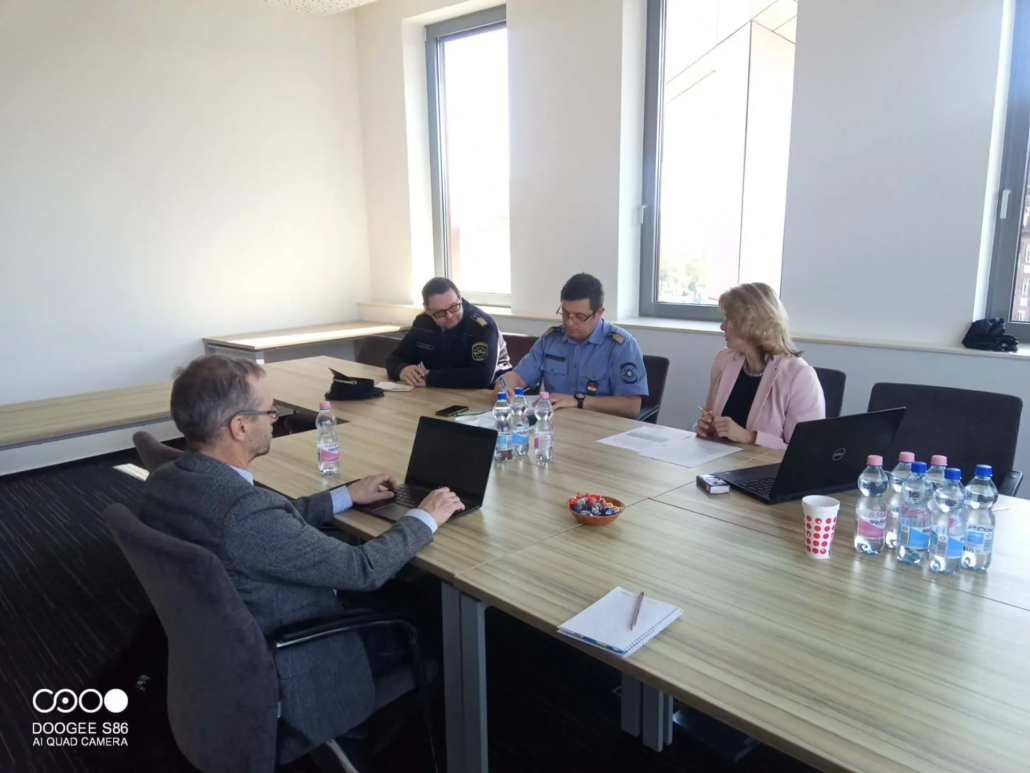
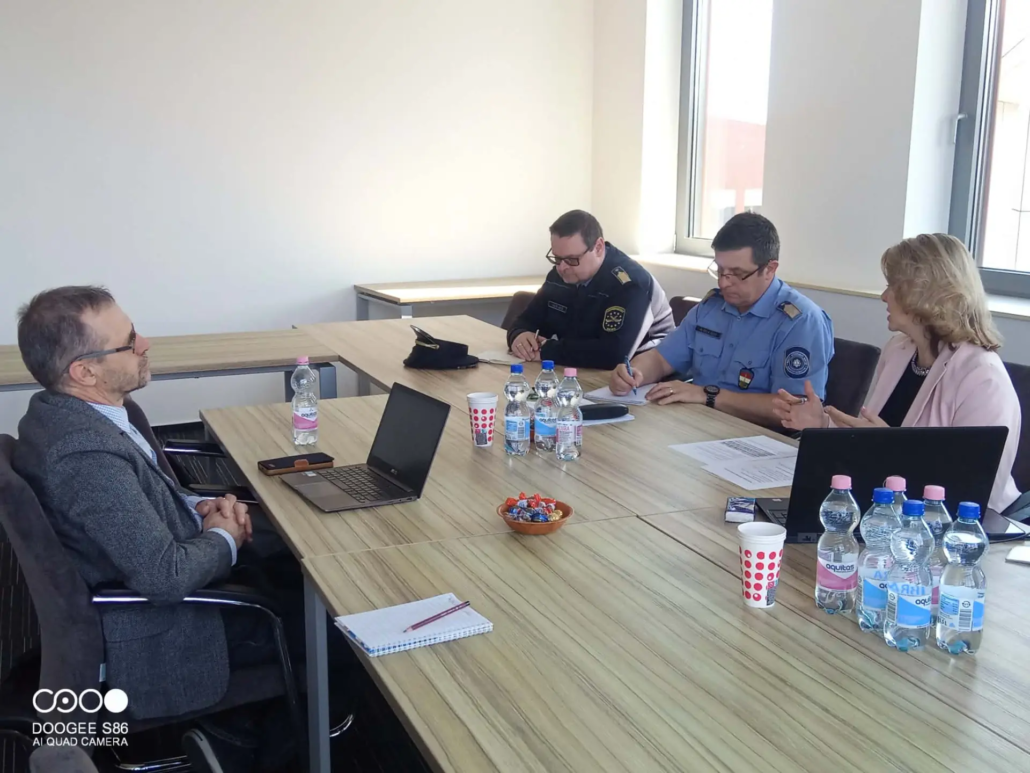
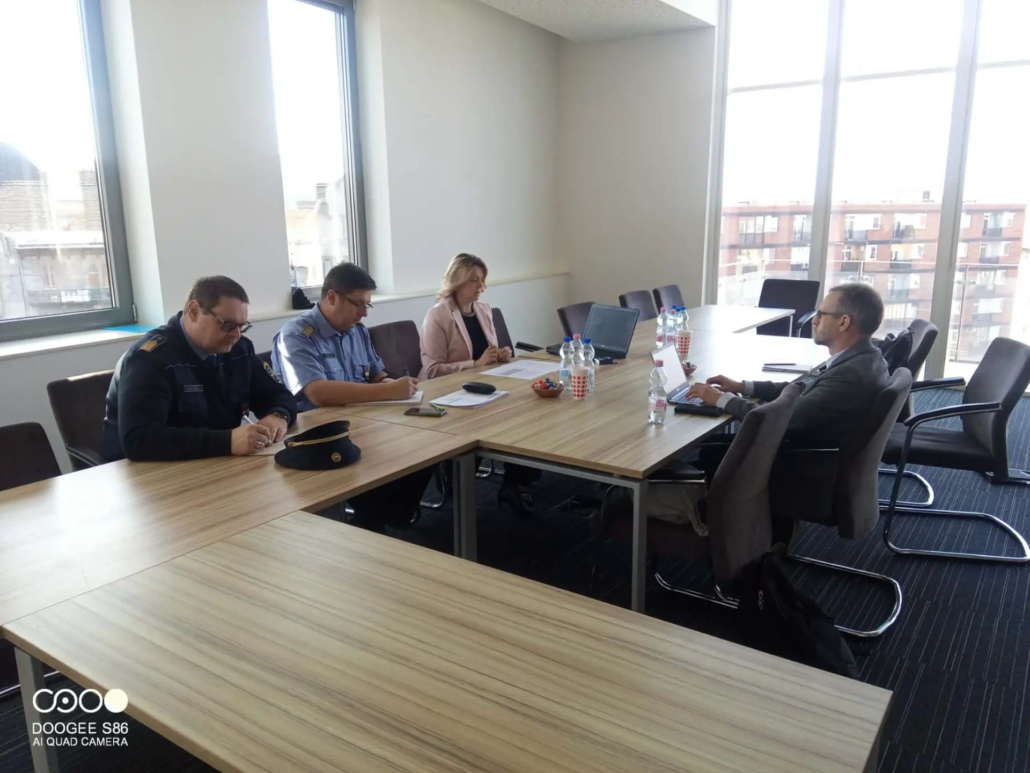

 Innovation in Border Policing. Károly Szabó’s lecture on the Border Policing...