Report on the “Schengen 40-35-30” conference
| 2025. May 21.

| 2025. May 21.
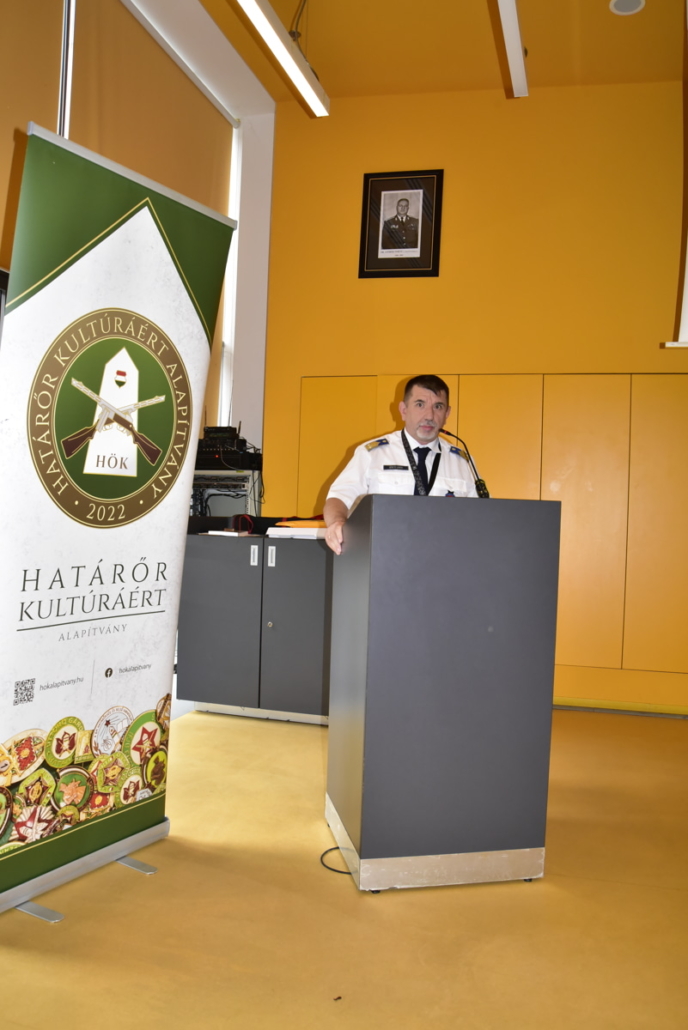
On May 20, 2025, the third historical-scientific conference titled “Schengen 40-35-30 – Moments from the life of border guard services” took place organised by the Department of Border Policing of the Faculty of Law Enforcement at the Ludovika University of Public Service and the Border Guard Culture Foundation (HÖK). The event was held at the RTK Law Enforcement Training Center, where participants listened to comprehensive presentations on the historical, political and security aspects of the Schengen system in connection with the anniversaries of Schengen integration: the 40th anniversary of the signing of the agreement, the 30th anniversary of the implementation agreement, and the 35th anniversary of its entry into force. Members of our Research Group, Dr. János Sallai, Dr. Teodor Gyelník and Dr. Melinda Istenes-Benczi also gave presentations at the conference.
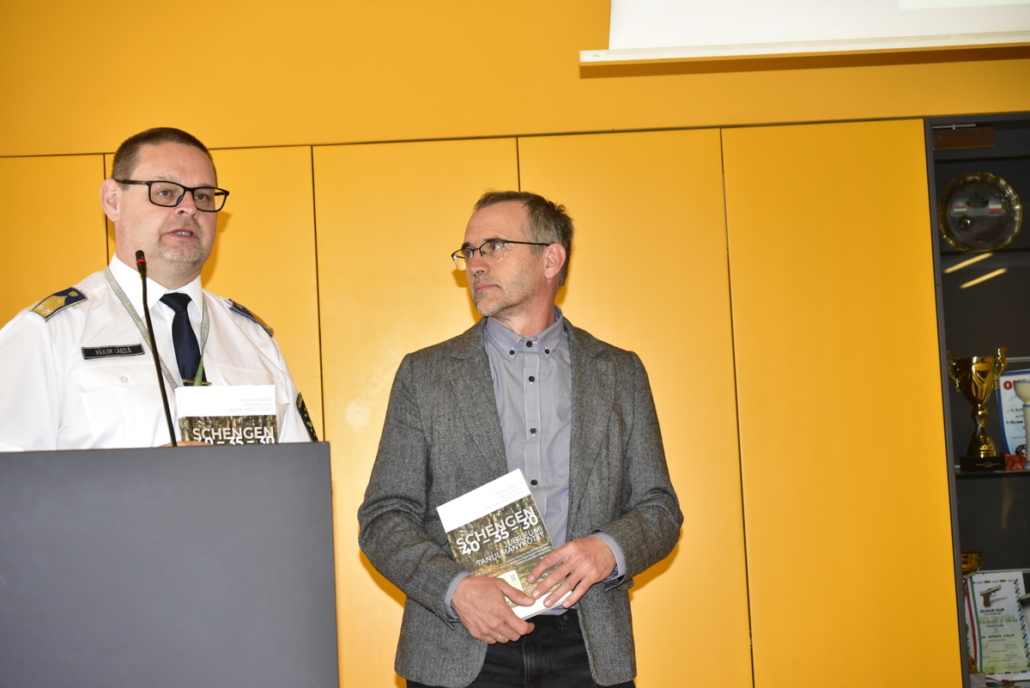
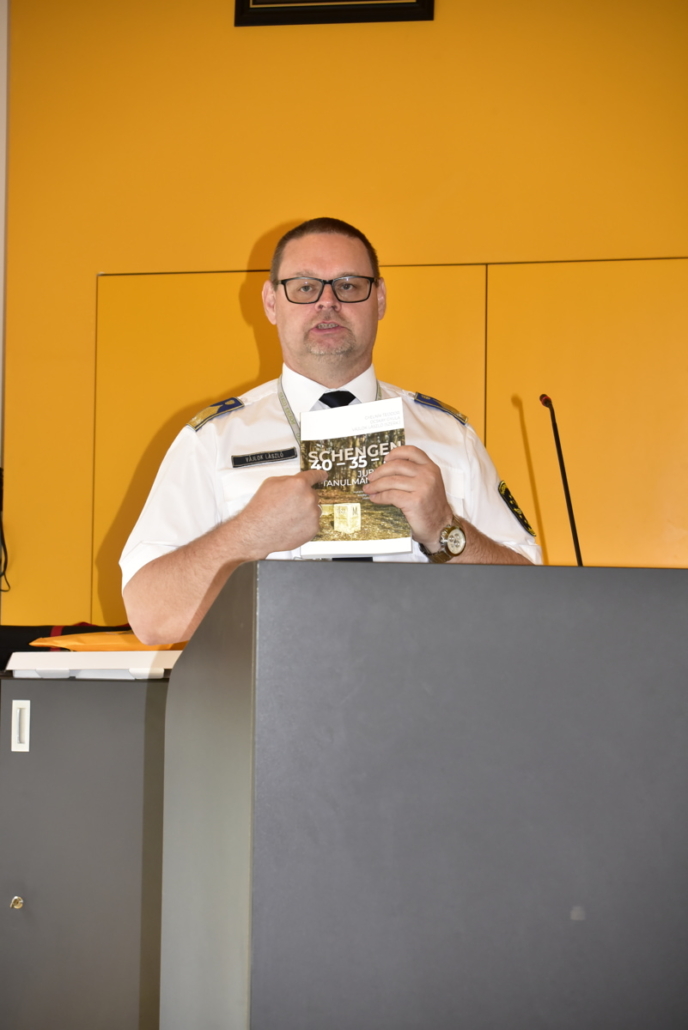
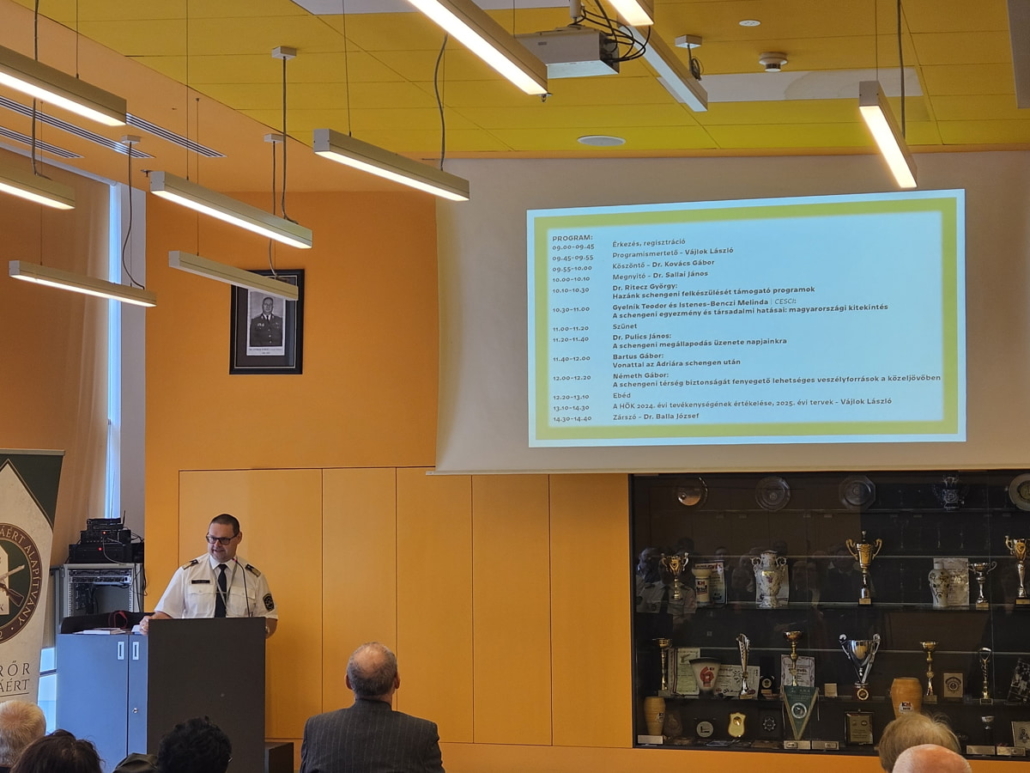
The program began with a presentation and welcome speech by László Vájlok, followed by the official opening of the conference by Dr. János Sallai, who emphasised the importance of Schengen cooperation in past and present border control practices, while also providing a historical overview. This was followed by a presentation by Dr. György Ritecz on programs supporting Hungary’s preparations for Schengen, highlighting the complex process that enabled the structural and methodological transformation of the domestic border control system.
During the conference, Gyula Ocskay, Secretary General of CESCI, introduced the new book called Schengen 40-35-30, which he co-edited with Dr. Teodor Gyelník and László Vájlok. According to the editors’ introductory remarks,
“Few things in human history have had such a positive impact on our daily lives as the implementation of the Schengen ideas and the almost unlimited freedom that stems from the Schengen policy.”
The aim of the collection is to present and preserve this legacy in a fitting manner.
The volume contains eighteen studies, organised into four main thematic sections, which examine the development of Schengen cooperation, namely:

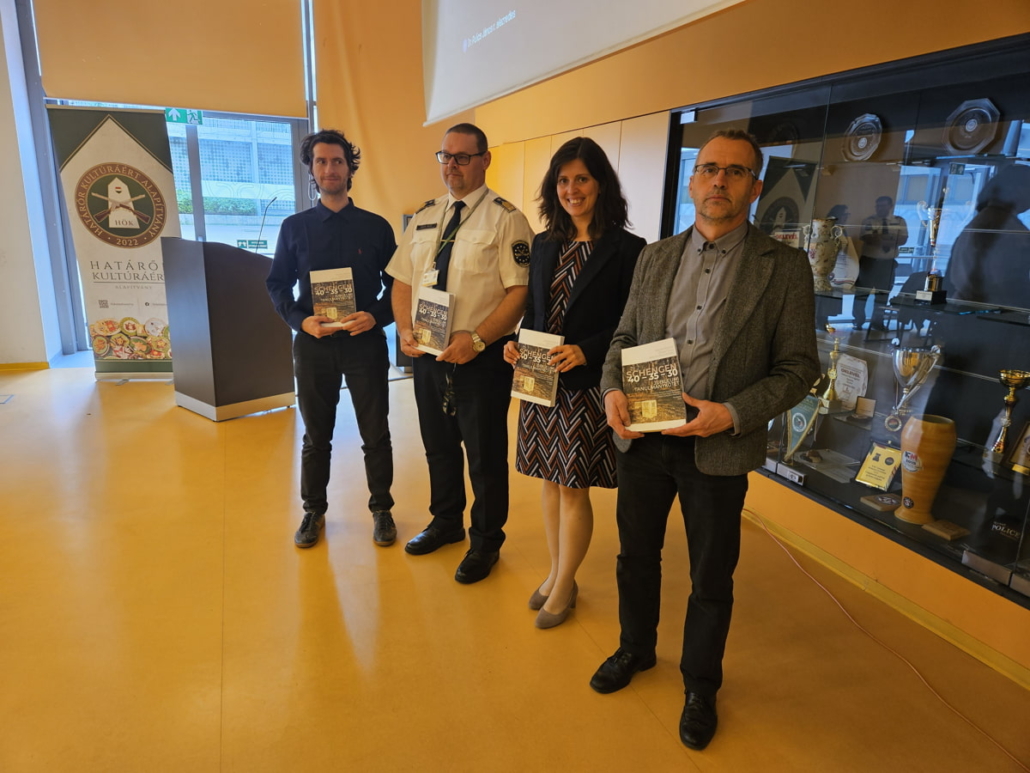
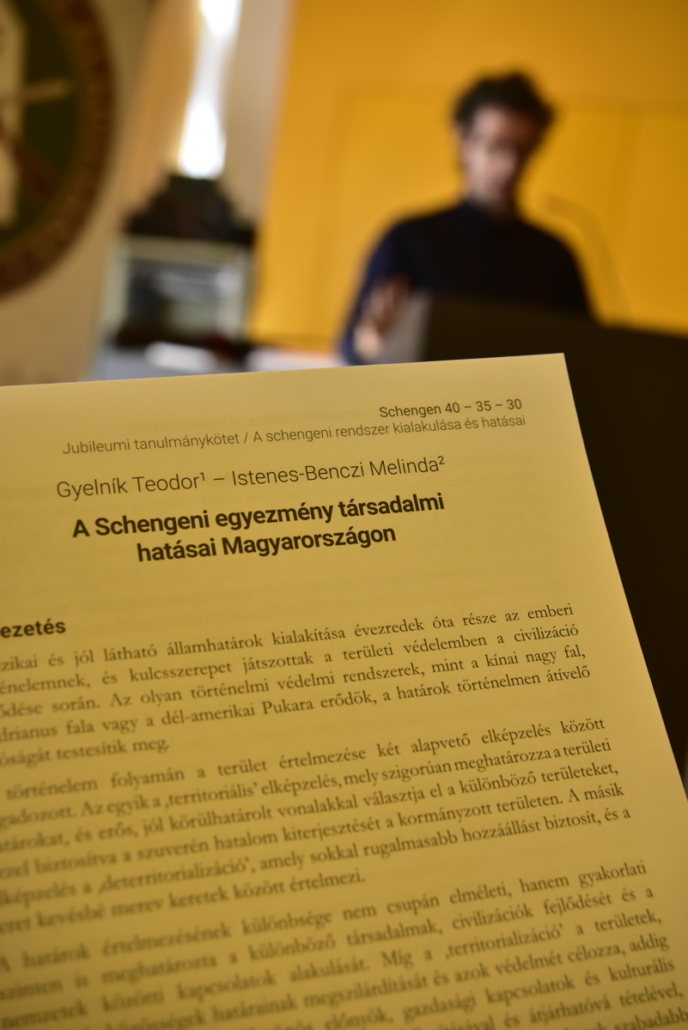
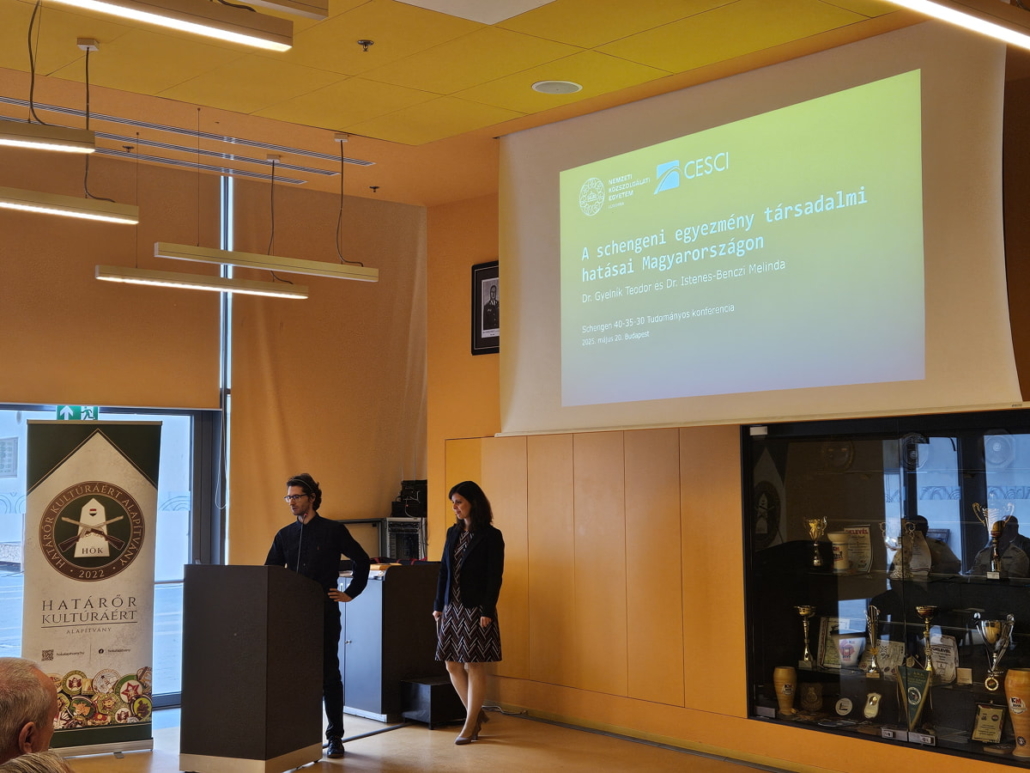
Members of the LUPS-CESCI Research Group on Cross-Border Cooperation, Dr. Teodor Gyelník and Dr. Melinda Istenes-Benczi, jointly presented their study published in the volume. In their presentation, they examined the social impact of the Schengen Agreement in the Hungarian context, with a particular focus on changes in border traffic, cross-border residential mobility, mobility for educational purposes, cross-border trade and tourism, and healthcare.
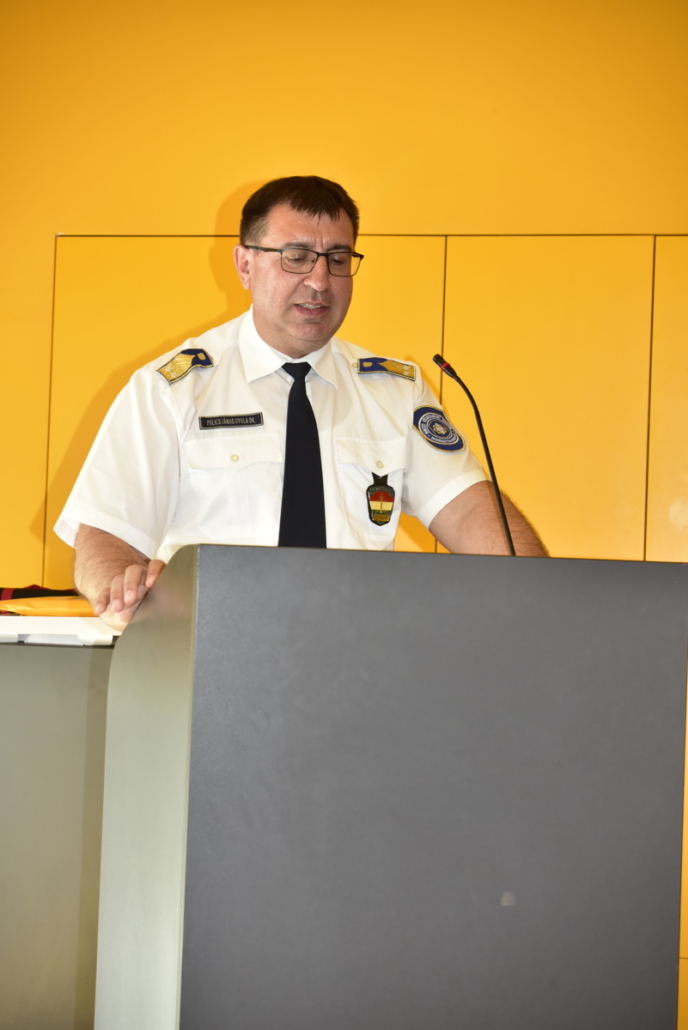
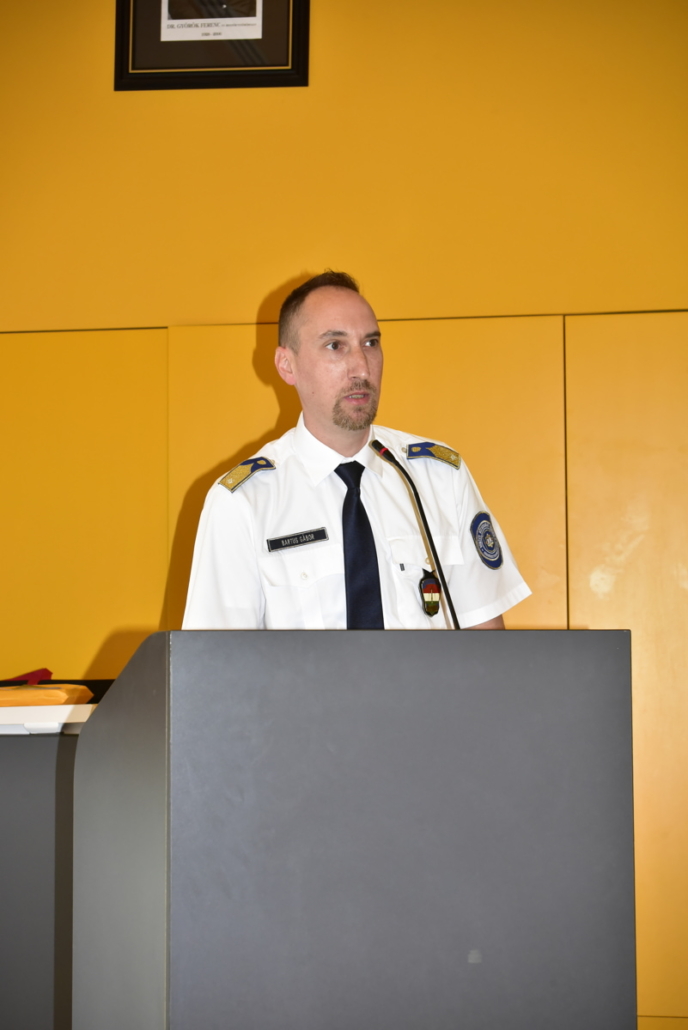
In his presentation, Dr. János Pulics interpreted the message of the Schengen Agreement for today, paying particular attention to the responses to the most significant border control challenges of the past decade. He emphasised that the threats to the EU posed by open borders are dwarfed by the benefits, which include the free movement of 450 million citizens. Gábor Bartus took an unusual approach: in his presentation entitled “By train to the Adriatic after Schengen,” he used rail transport to show how the freedom of movement across borders has become tangible for everyday travelers and how this can improve travel times. Gábor Németh‘s presentation discussed the future security challenges facing the Schengen area, highlighting the effects of organised crime (including arms and drug trafficking), migration pressure, and terrorism.
The “Schengen 40-35-30” conference not only provided an opportunity to explore the lessons of the past, but also to understand the challenges of the present and identify opportunities for future cooperation, contributing to the further development of the Schengen idea in theory and practice.
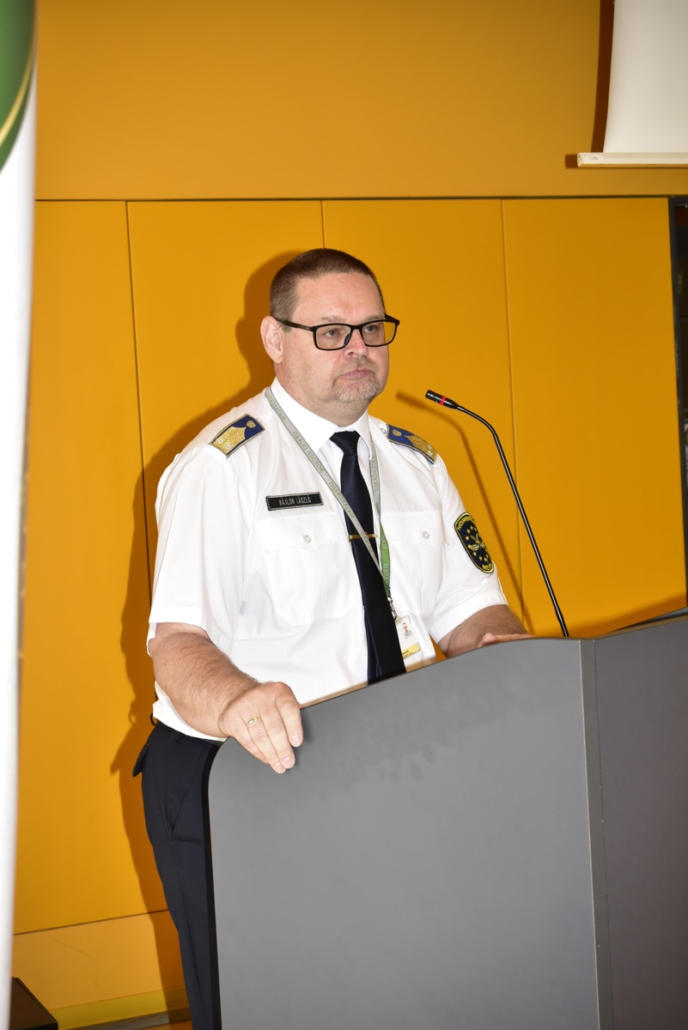

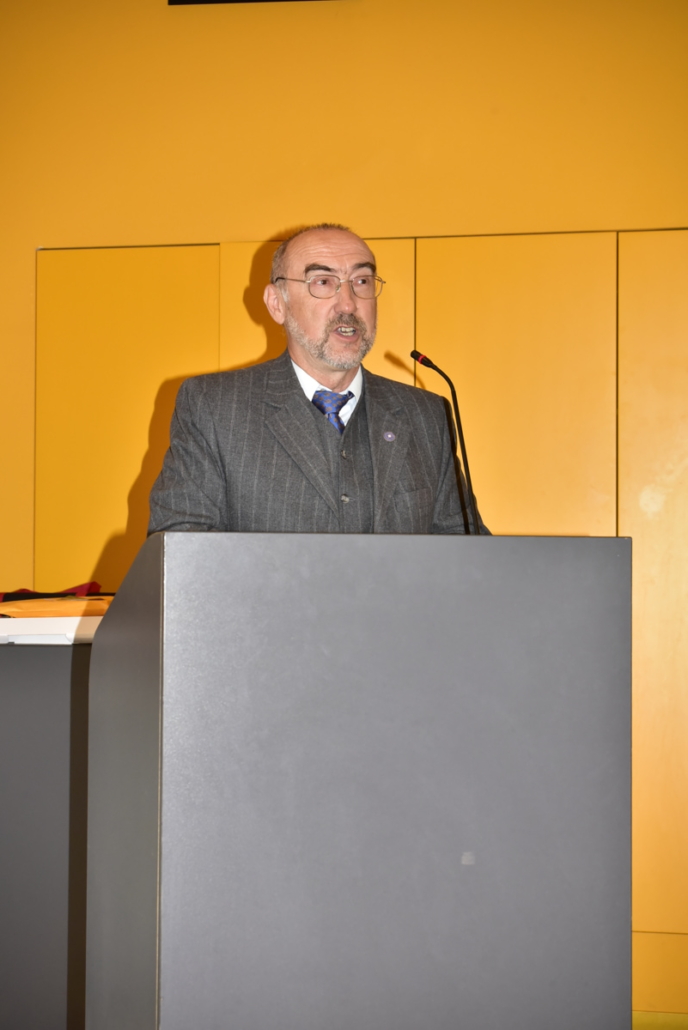

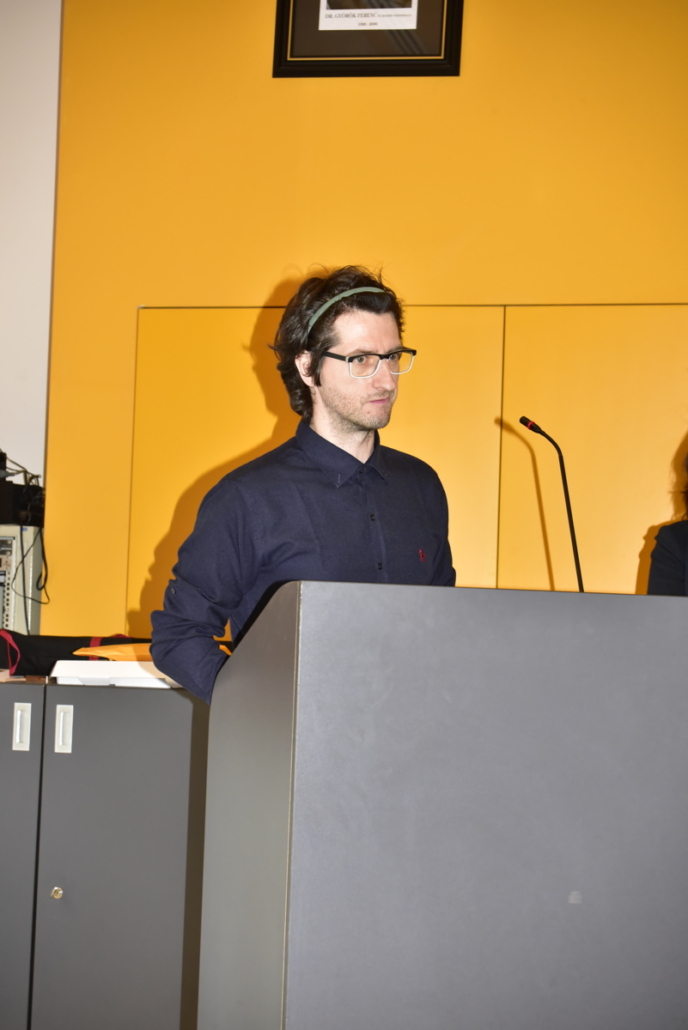



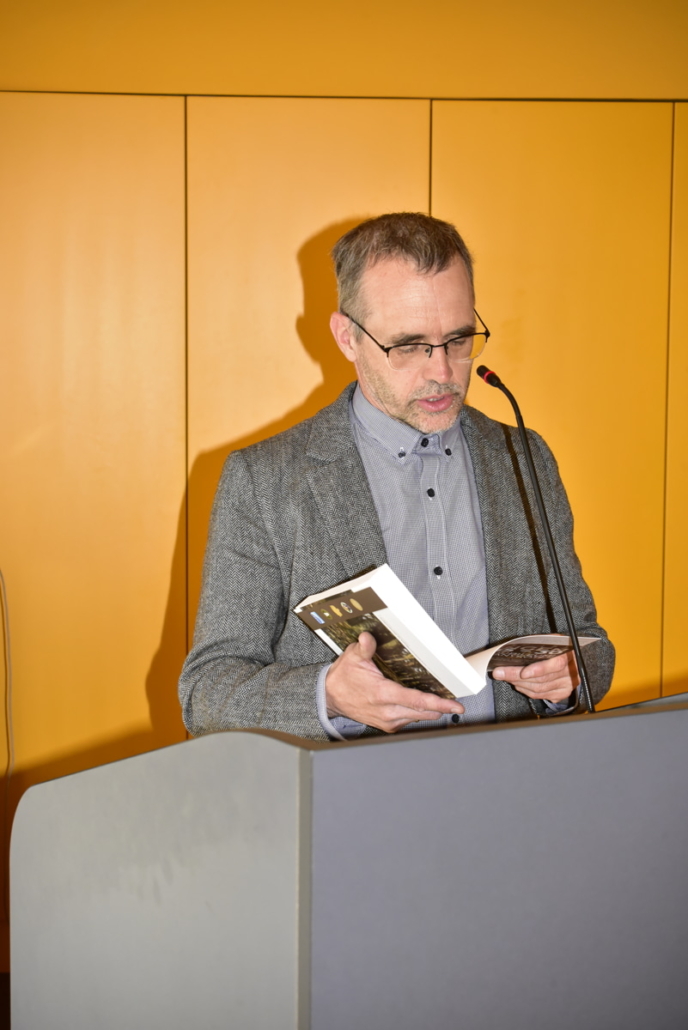
Photos: Zsuzsanna Fejes, Mónika Stetina

 Conference report: What future for the concept of Borderless Europe?