Report on the Research Groups’ Conference: Rethinking Cross-Border Cooperation and Governance in the Era of Transformative Processes
| 2024. October 31.

| 2024. October 31.
The Department of Governance and Public Policy of the Faculty of Public Governance and International Studies at the Ludovika University of Public Service, in cooperation with the LUPS-CESCI Research Group on Cross-Border Cooperation, organised an international conference titled Rethinking Cross-Border Cooperation and Governance in the Era of Transformative Processes on 16th of October 2024. The conference was held at the Saint Ladislaus Chapel in the Ludovika Main Building in Budapest.
The conference was opened by Gergely Deli, Rector of the Ludovika University of Public Service. In his welcome address, he emphasised the significant role of territorial cooperation in creating an added value for member states. However, the European Union and its members have been facing multilayered crises, including the migration crisis, Brexit, the pandemic, socio-economic challenges and the war between Russia and Ukraine. These crises have sparked discussions about the reintroduction of state borders and border controls. As a result of these developments, cross-border cooperation emerges as a valuable and important tool for mitigating the negative effects of re-bordering processes within the European Union.
The first part of the conference featured keynote speeches. Péter Kiss-Parciu, Deputy Secretary of State of the Ministry of Foreign Affairs and Trade of Hungary, highlighted the positive role of the European Grouping of Territorial Cooperation (EGTC) tool. It is a legal instrument that provides legal personality and a framework for the cooperation of European municipalities and regions, enabling the effective use of EU funds. Hungary participated in the establishment of twenty-five EGTCs, of which twenty-one were founded with Hungarian headquarters. Currently, two EGTCs are in the process of being established. The Deputy Secretary of State emphasised that there are EGTCs mature enough not only to participate in various tenders, but also to manage funds and implement program frameworks, thus supporting municipalities and small civil organisations. Nevertheless, cross-border cooperation is currently experiencing some stagnation due to multiple interconnected crises. He expressed his happiness that this conference provided an appropriate space to discuss this topic and the future perspectives of cross-border cooperation.
Ricardo Ferreira from DG Regio, European Commission, emphasised that EU border regions are spaces where the European project is most tangibly experienced. These regions houses 30% of the EU population, however, these regions experience significant discriminatory elements. Administrative, legal, and other obstacles between individual border regions have serious impacts, namely preventing these regions from fully utilising their developmental potential, leading them to often underperform. However, the removal of just one-fifth of these obstacles could result in 2% GDP growth in border regions, along with the creation of 1 million new jobs. Furthermore, Ferreira highlighted the important role of the b-solutions initiative which was launched by the European Commission in cooperation with the Association of European Border Regions (AEBR), to address the legal and administrative obstacles that hinder cross-border cooperation within the European Union. The main goal is to identify and resolve specific issues that prevent efficient interactions between regions across national borders, thereby improving everyday life in border regions and ensuring that people and businesses can fully benefit from the Single Market, despite being situated at national boundaries.
Daniel Klimovsky from the Department of Political Science at Comenius University discussed the need to rethink the elements of cross-border cooperation. He examined the goals and actual demands of these initiatives. In his research, he emphasised that contemporary projects rarely address genuine local needs and seldom foster functioning local communities. Consequently, there is a pressing need to reconsider inter-municipal cooperation and to identify real demands beyond the established cooperation clichés.
The second part of the conference involved a panel session with attention to cross-border cooperation in practice: cross-border governance in Central and Eastern Europe. Martin Lačný from the Institute of Political Science, University of Prešov, spoke about cross-border cooperation practices in the Slovak and Ukrainian borderlands. He presented the design of a new research tool capable of providing information regarding the human aspects of stability, security and regional development in border regions. He also mentioned an interesting metric, namely the causal life satisfaction index, which is adjusted for border regions and quantifies the current situation while serving as a suitable comparative basis for repeated evaluations. His presentation underlined the most significant barriers to cross-border cooperation, such as corruption, bureaucratic procedures, the attitudes of customs officials, insufficient support for cross-border cooperation from national governments and inadequate rail connections. Additionally, he offered future perspectives for cross-border cooperation, including the rapid and effective implementation of necessary changes in Ukrainian legislation, optimisation of the insufficient legal regulations regarding business protection, improvement of the institutional environment and public governance, streamlining the management of the Ukrainian-Slovak border, and involving Slovak entities in the implementation of the Ukraine Reconstruction Plan.
Enya Újvári-Tămaș from the European Paradigm Doctoral School, Faculty of European Studies, Babeș-Bolyai University, Cluj-Napoca, Romania, spoke about cross-border cooperation practices in the Romanian and Hungarian borderlands. Her presentation sought to frame the current cross-border cooperation within the historical context of borders (the Treaty of Trianon, closed borders with strict control and minimal/local cross-border traffic). Additionally, she emphasised the importance of the Schengen issue for Romania, noting that Romania has met the technical criteria since 2011.
Yuliia Fetko from the Department of International Law, Uzhhorod National University, Ukraine, spoke about cross-border cooperation between local and regional authorities in Ukraine. She presented the cross-border cooperation elements (implementation of joint projects, agreements, and the institutional framework of cooperation) at the Ukrainian-Hungarian, Ukrainian-Slovak, Ukrainian-Romanian and Ukrainian-Polish borders. Additionally, she outlined several directions for strengthening cross-border cooperation, such as continuing efforts to overcome various barriers, reactivating existing agreements between European and Ukrainian local and regional authorities, facilitating the conclusion of new agreements and/or promoting the creation of new EGTCs at Ukraine’s borders, among other suggestions.
Gyula Ocskay, Secretary General of CESCI and a member of the LUPS-CESCI Research Group on Cross-border Cooperation in Hungary, made a presentation on cross-border governance at the Slovak-Hungarian border. He outlined the changes in permeability and border management from 1920 (the time of delimitation) to the present, focusing on the functioning of the Schengen area with free movement of people. His presentation covered a wide range of topics, specifically changes in the number of road crossings, changes in external trade with neighboring countries, the evolution of cross-border cooperation, cooperation tools (such as bilateral agreements and joint committees), the exhaustion of euroregions and the functioning of the EGTCs. In conclusion, he emphasised an important message, namely to never give up despite the existing obstacles, barriers, challenges and tendencies toward re-bordering and re-nationalisation.
The conference finished with a lively discussion led by Melinda Istenes-Benczi, a member of the research group. Participating students were given the opportunity to ask questions of the presenters, resulting in engaging exchanges that covered a range of topics, from the legal aspects of cross-border cooperation to current geopolitical issues affecting borders. The conference was officially closed by Zsuzsanna Fejes, head of the research group, who provided closing remarks that encapsulated the insights and discussions of the day.
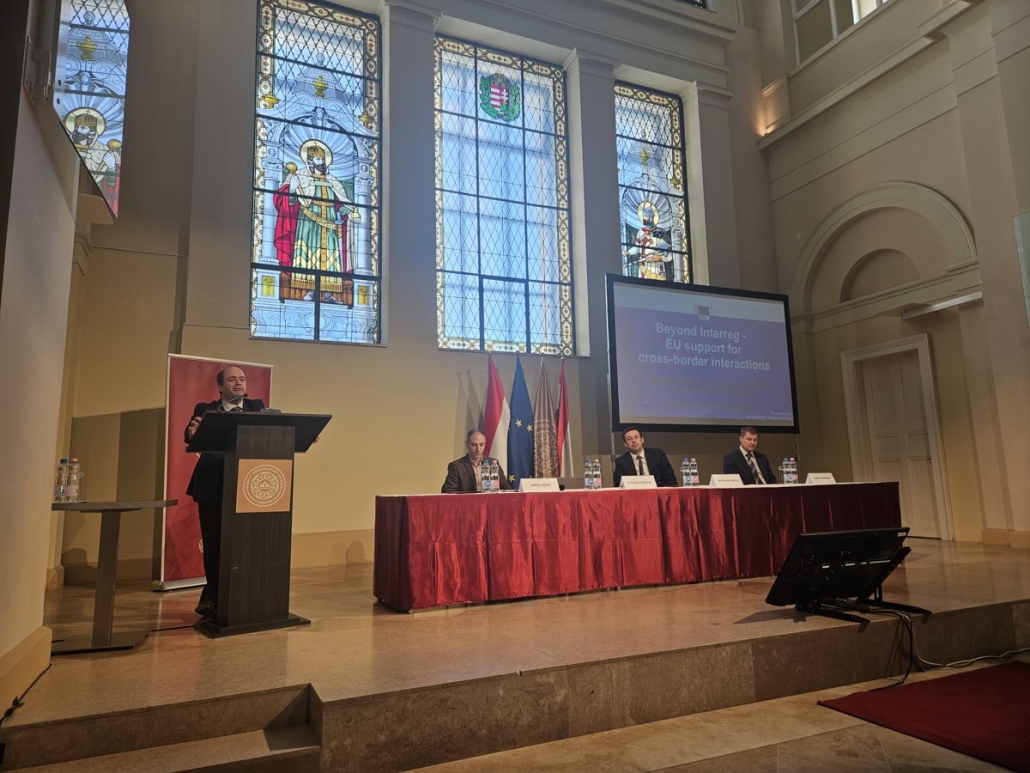
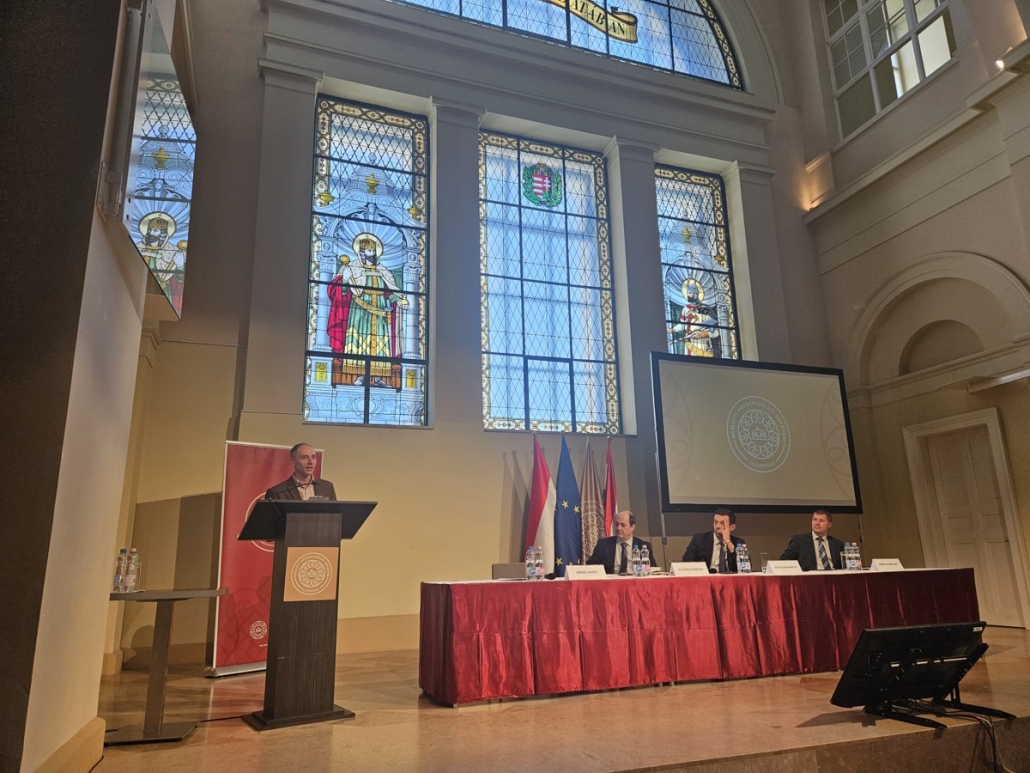
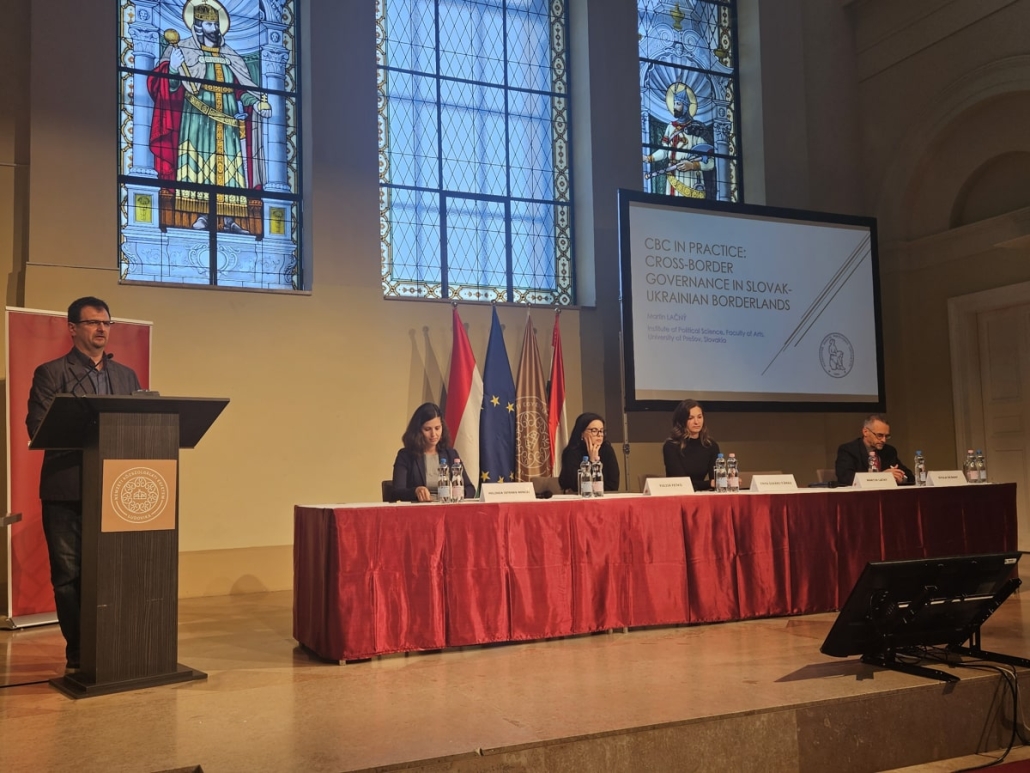
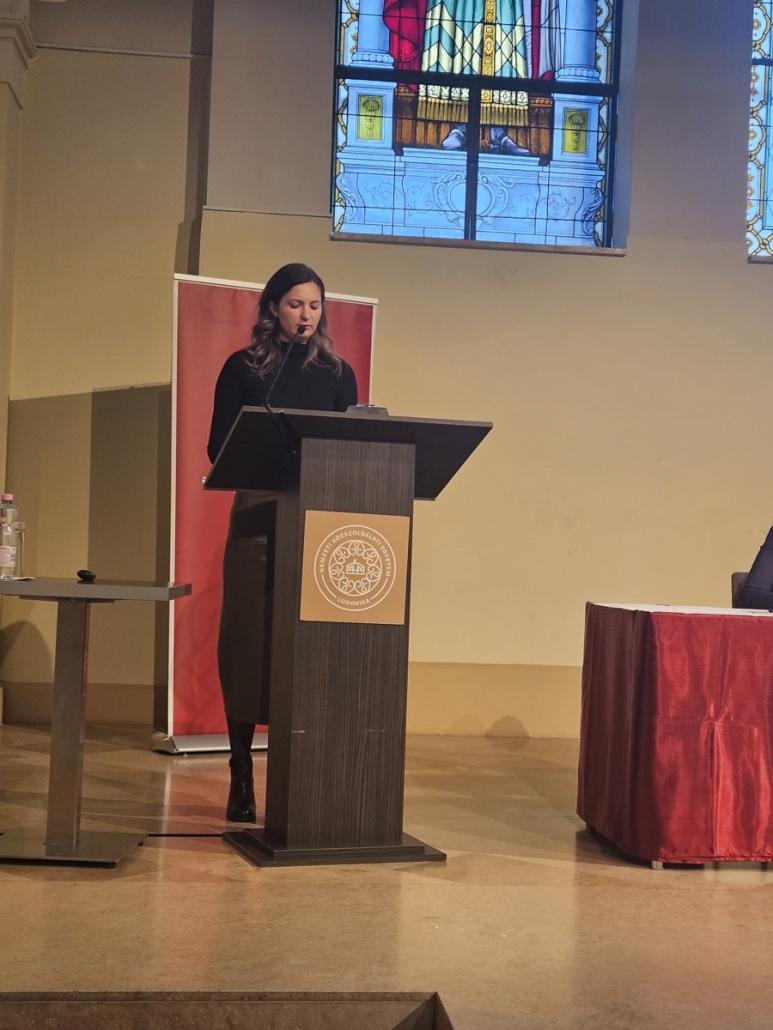
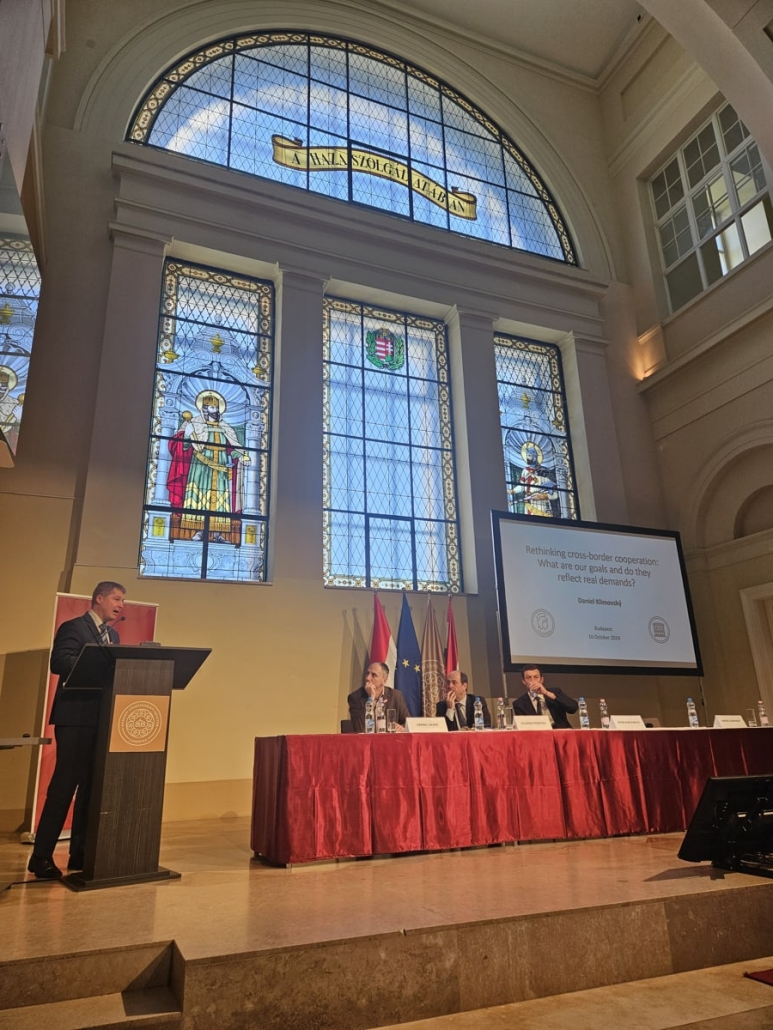
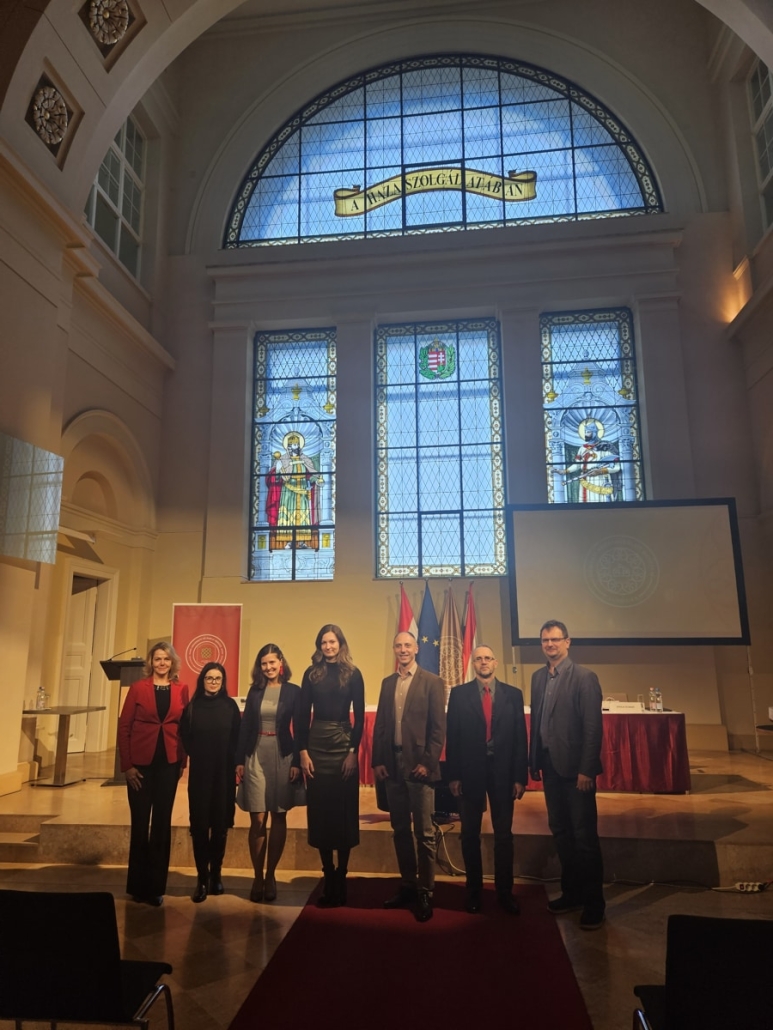
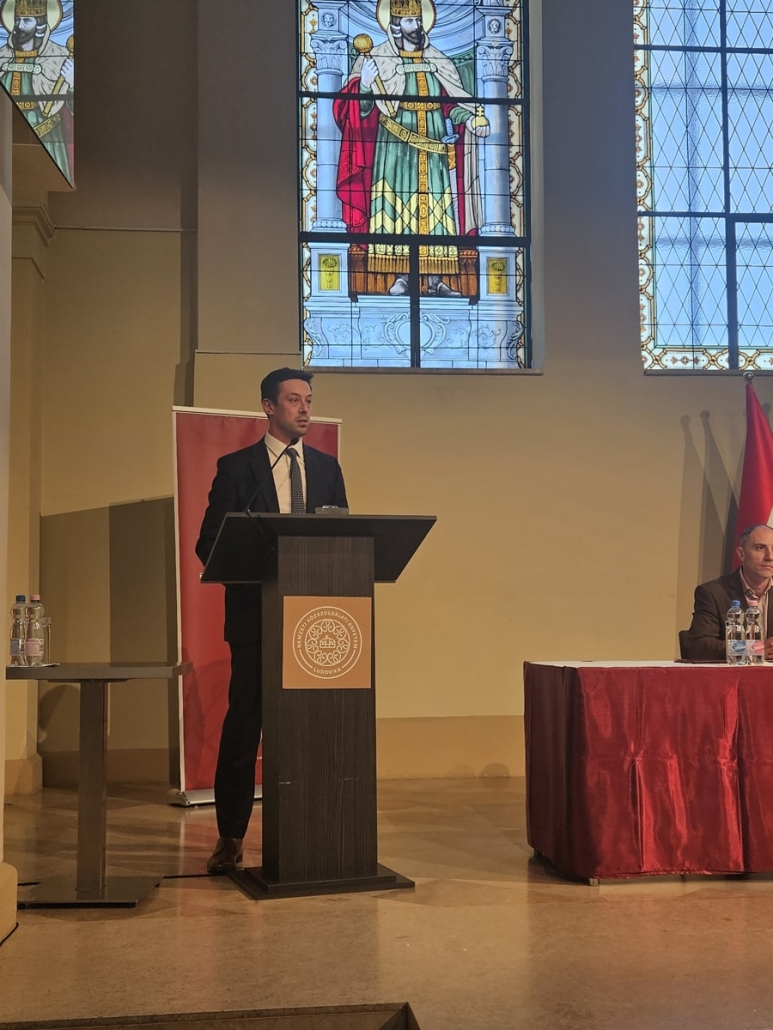
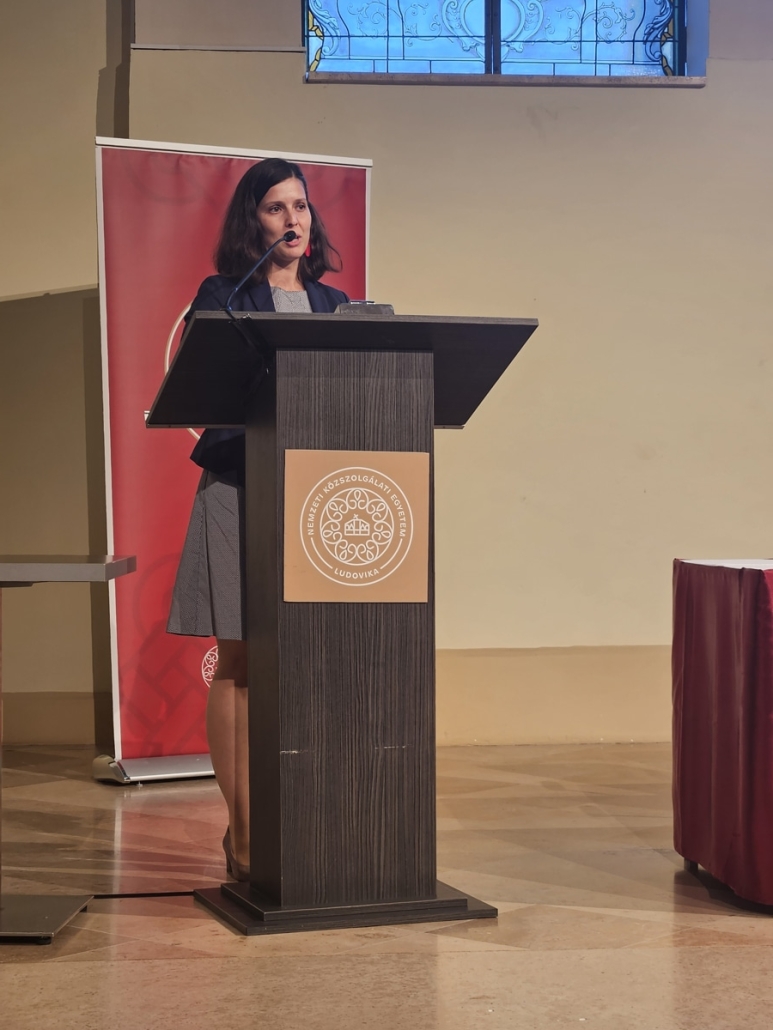

Photo: Zsuzsanna Fejes

 Lessons and reflections from the b-solutions initiative